Years of specialist medical experience
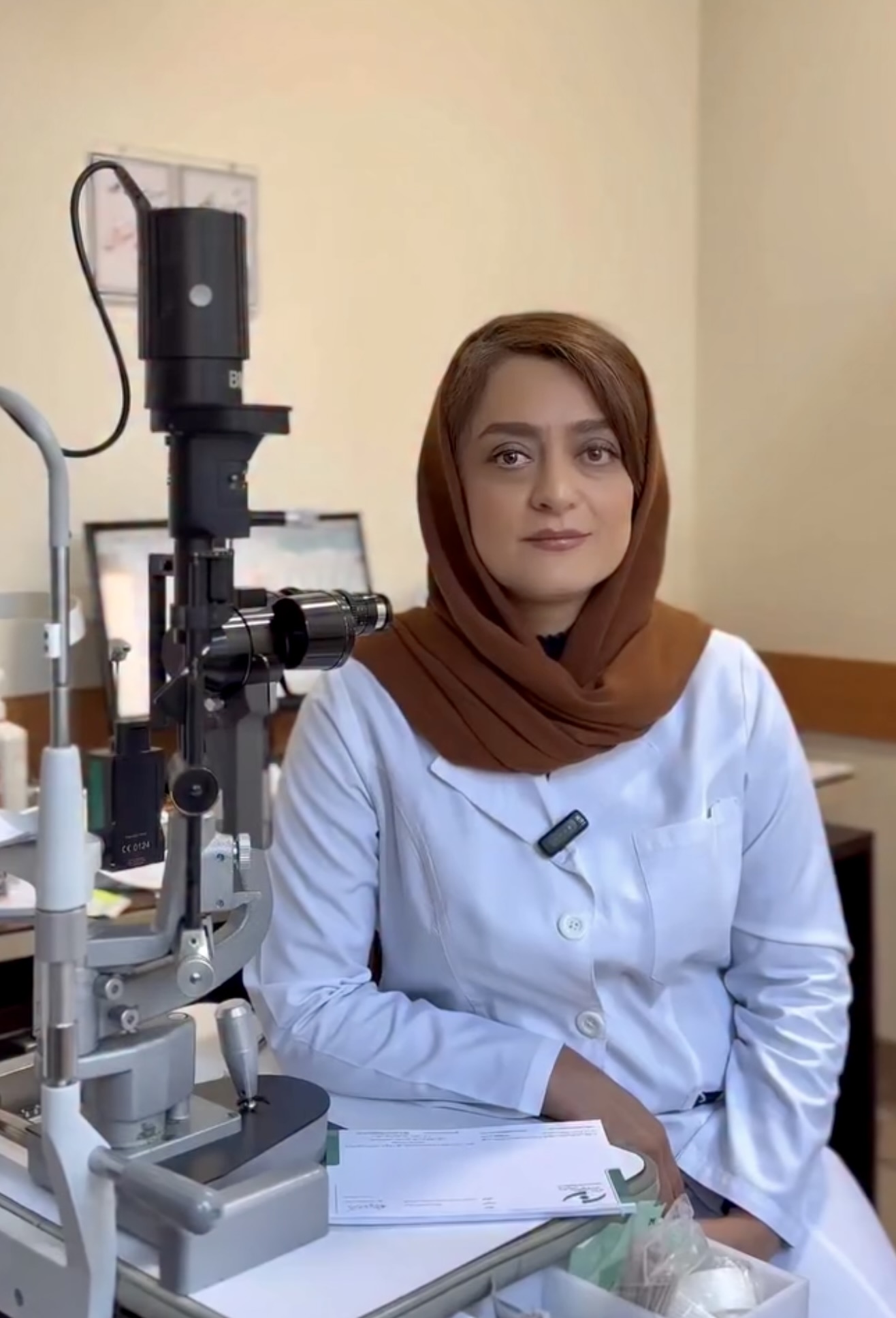
Specialist eye care
Ophthalmologist specializing in femtosecond LASIK and LASEK, corneal transplant, lens implantation, keratoconus, and cataract care
Clear, attentive ophthalmology for every stage of vision
A modern ophthalmology practice where patients are listened to, examined carefully, and guided through each step with clear, reassuring explanations
Unhurried time to ask questions
Languages supported for patient visits
Care areas
Ophthalmology services
Specialist clinical care for diagnosis, prevention, treatment planning, and follow-up, with time for questions and patient comfort

Comprehensive eye exams
Vision checks, eye pressure measurement, retina review, and prevention-focused screening explained in plain language.
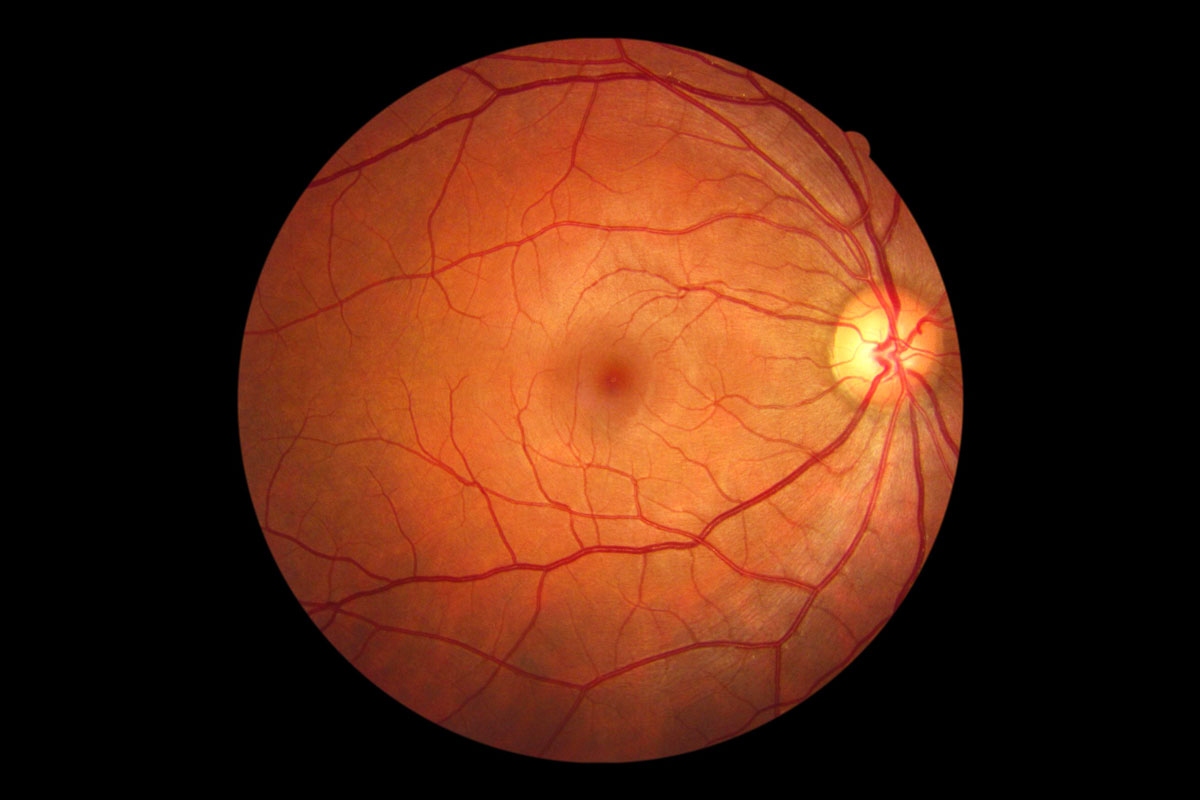
Diagnostics and imaging
Modern assessment for cataract, glaucoma, macular disease, dry eye, and retinal conditions.
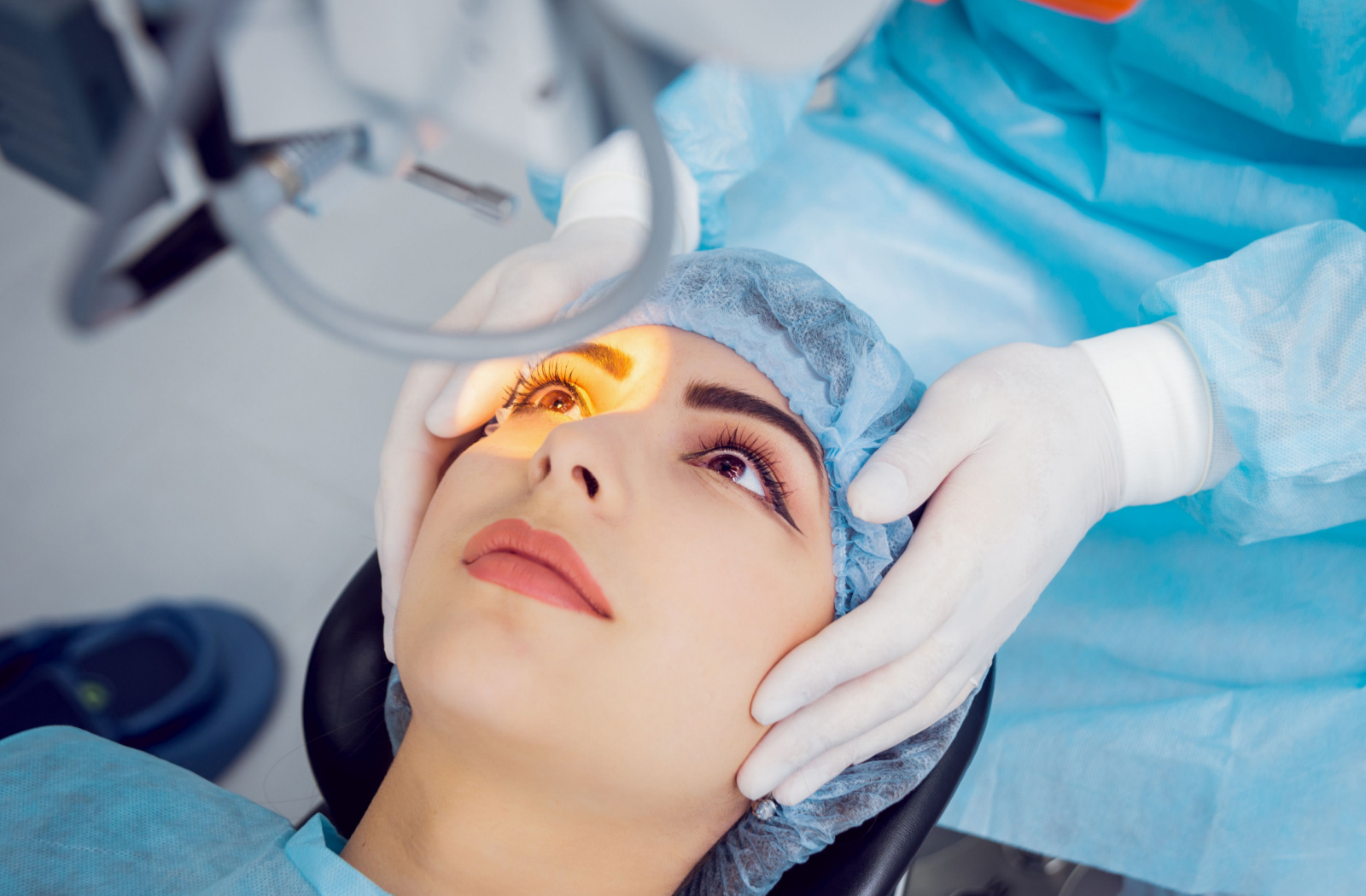
Treatment planning
Clear explanations, coordinated referrals, and follow-up care shaped around the patient's needs and concerns.
Patient experience
A calm visit from arrival to follow-up
The practice experience is designed to feel calm and respectful: patients know what is happening, why each test matters, and what the next step means before they leave.
Prepare
Bring current glasses, medication lists, and previous reports if available. Writing down your questions beforehand can help.
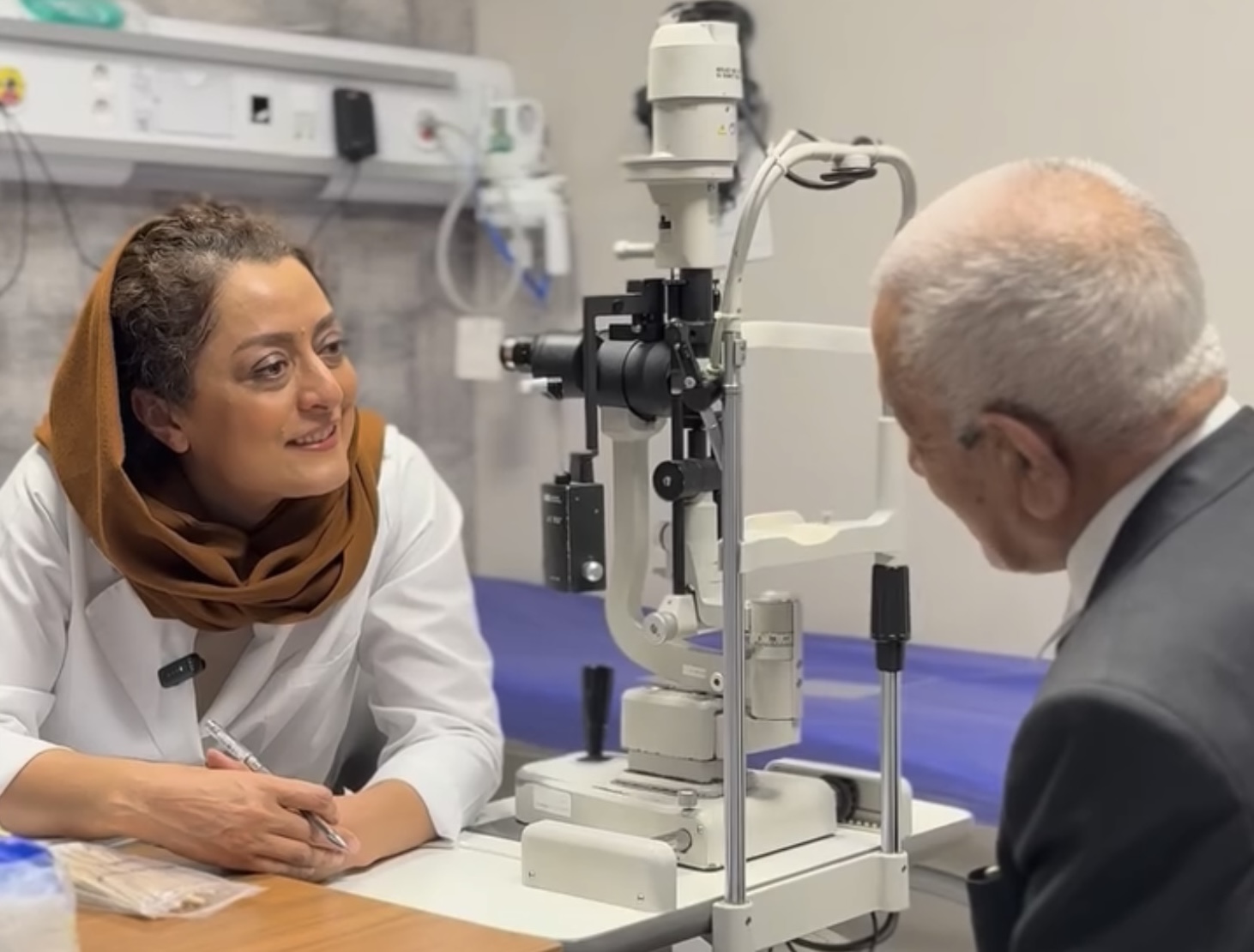
Consult
Discuss symptoms, visual goals, previous treatments, and any worries in a calm conversation.
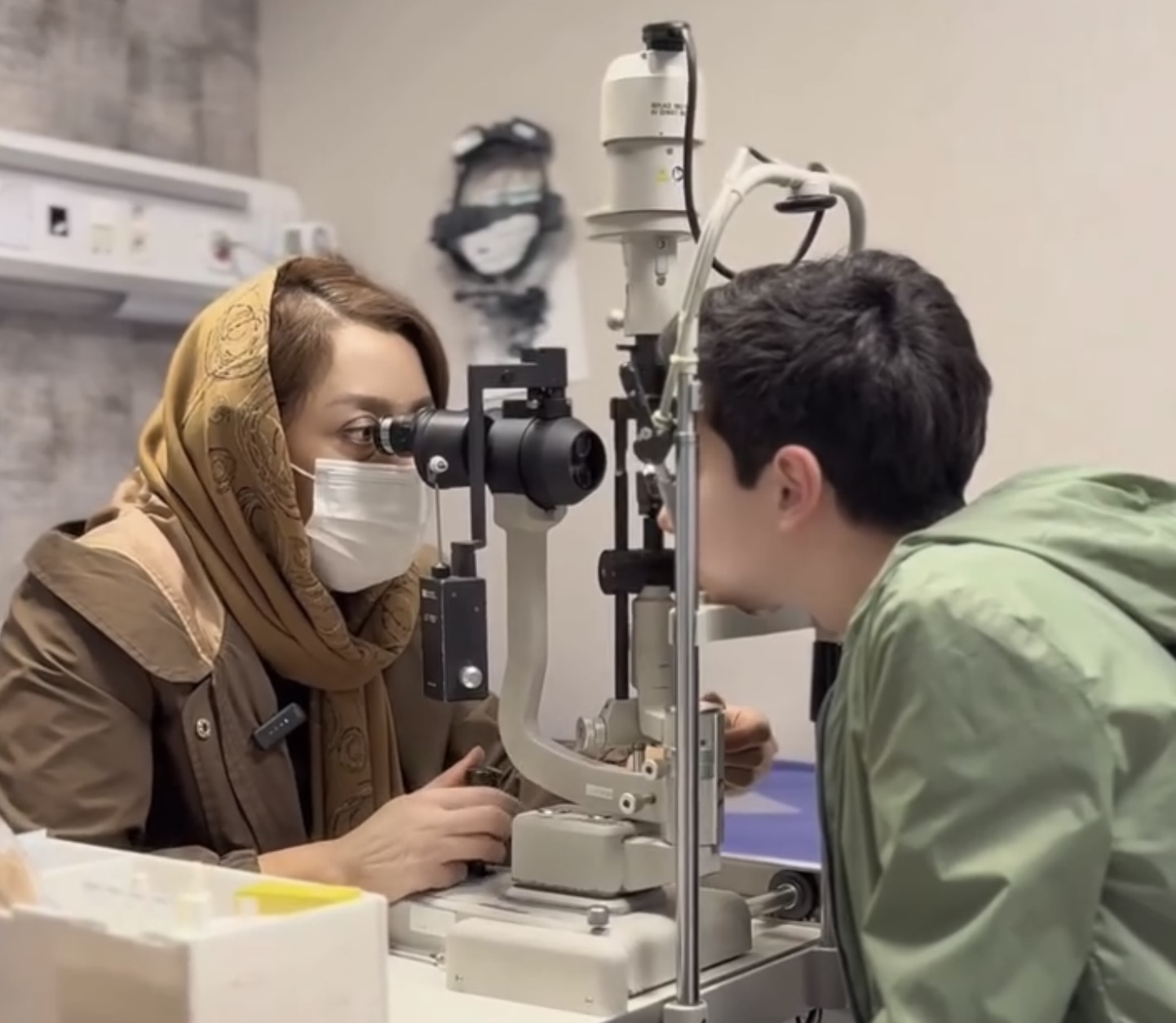
Examine
Complete targeted eye testing with explanations before or during the exam whenever possible.
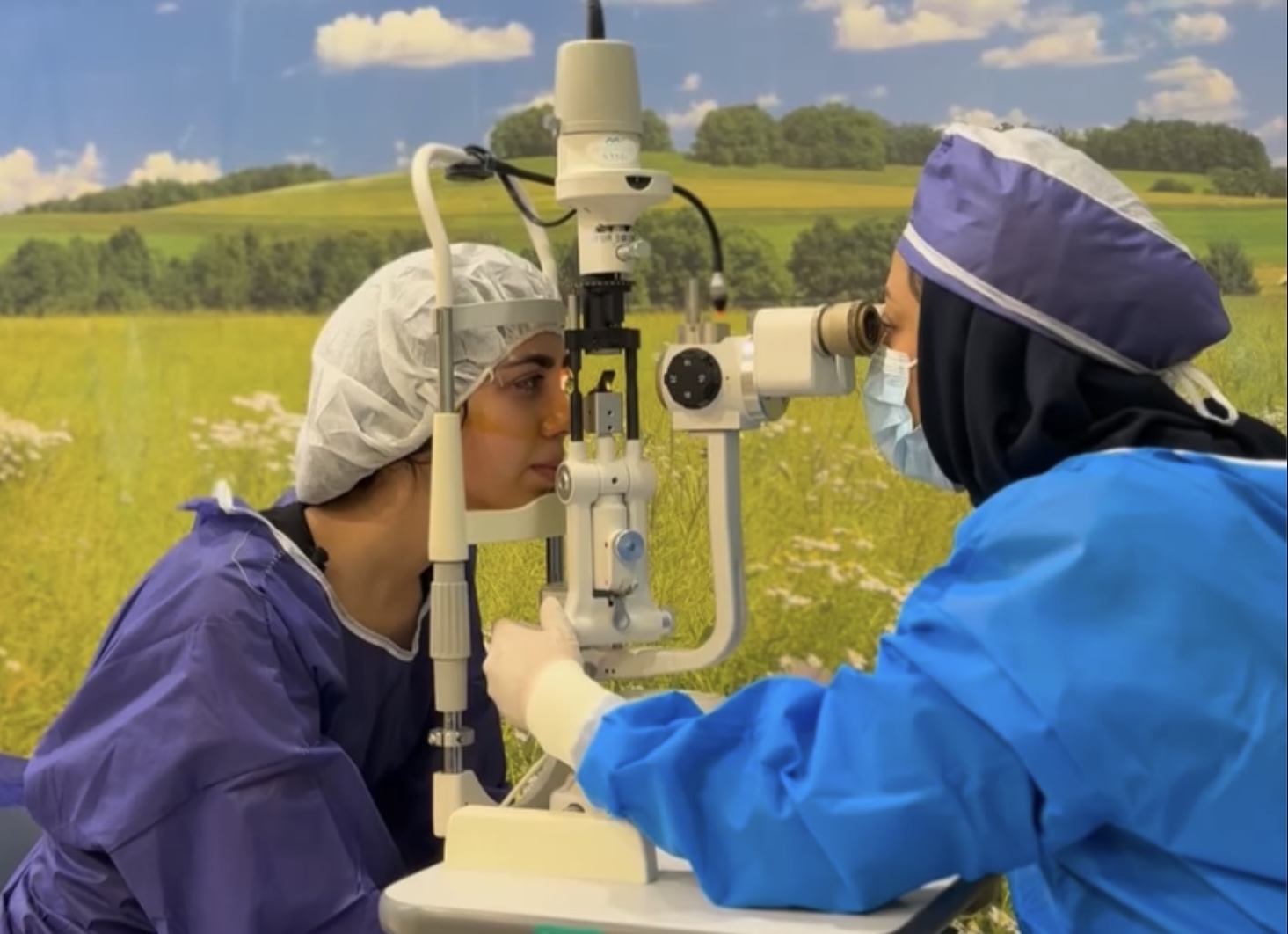
Pre-surgery check
When a procedure may be needed, measurements and suitability checks help confirm the safest path for your eyes.
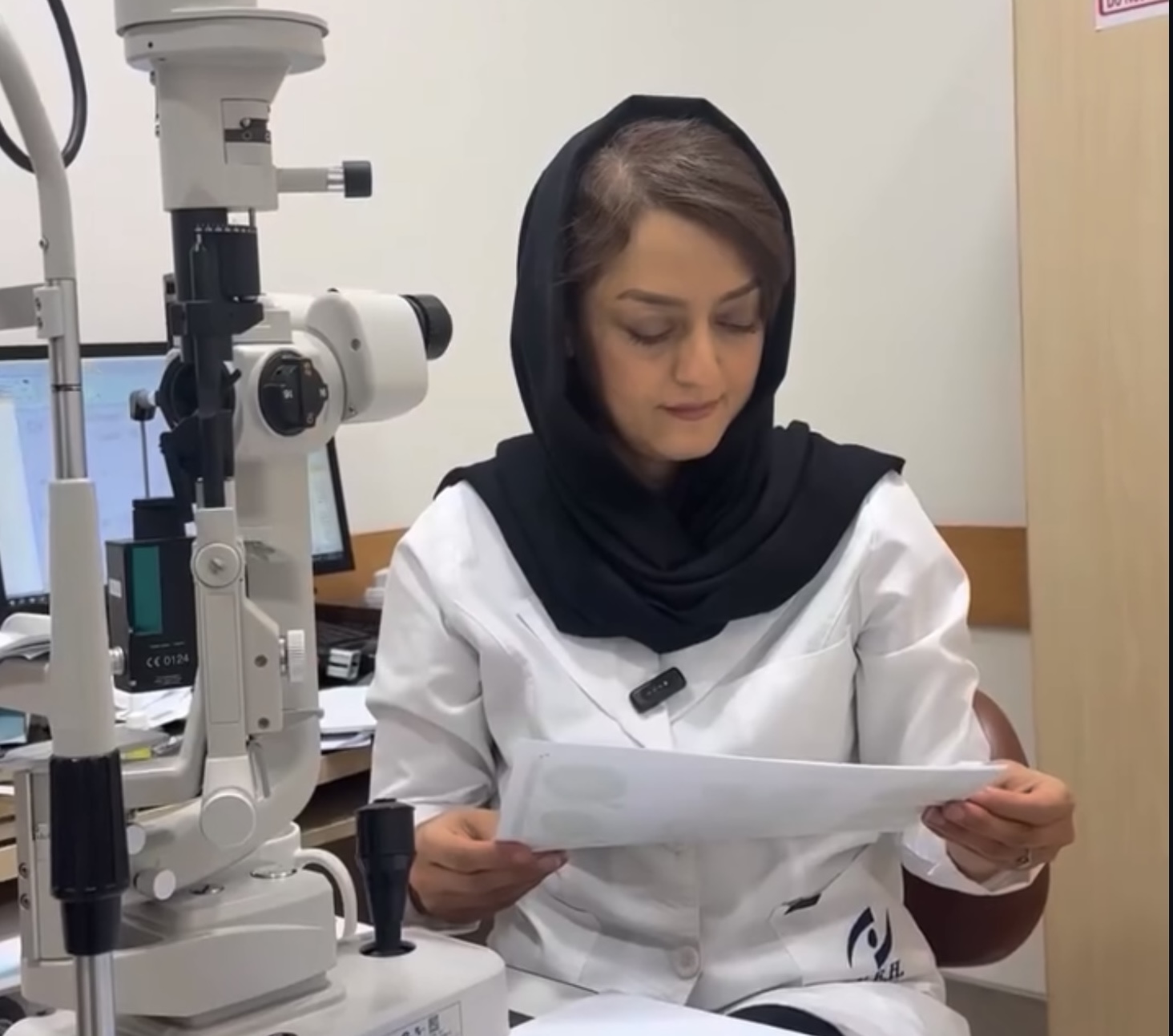
Plan
Leave with a practical treatment plan, referral, or follow-up schedule that is easy to understand.
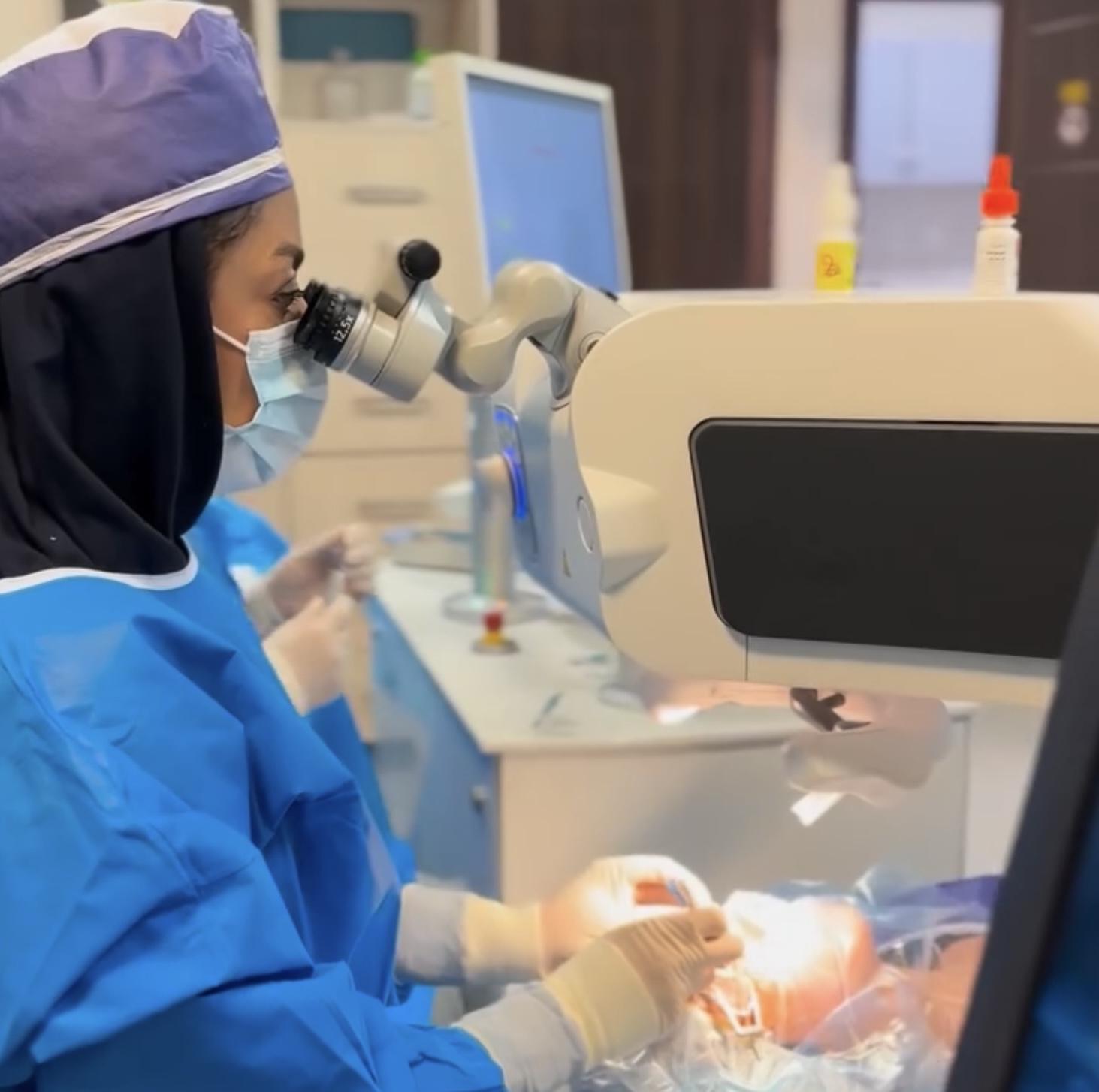
Procedure and follow-up
If surgery is selected, the next steps, recovery expectations, warning signs, and follow-up timing are explained clearly.
Before your visit
Useful details
When to call urgently
Sudden vision loss, eye trauma, severe pain, flashes, or a new curtain-like shadow should be assessed immediately.
What to bring
Insurance card, prescription glasses, lens details, medication list, and relevant previous reports.
Questions are welcome
Patients can ask about diagnosis, treatment choices, recovery, risks, costs, and what to expect after the visit.
Support person
A family member or trusted companion can help with questions, transport, and remembering the treatment plan.
After dilation
Some exams may blur vision temporarily. Consider arranging transport if pupil dilation is planned.
Languages
Consultation information is available in English, Farsi, and Azeri.
Contact
Contact Dr. Mahsa Parhizkar
Clinic address and dedicated phone number. Please call if you are unsure which documents to bring or how to prepare for the visit.