Many eye problems begin with symptoms that seem simple but can have different causes. A careful ophthalmology visit helps separate minor irritation from conditions that need treatment, monitoring, or urgent care.
Common symptoms we assess
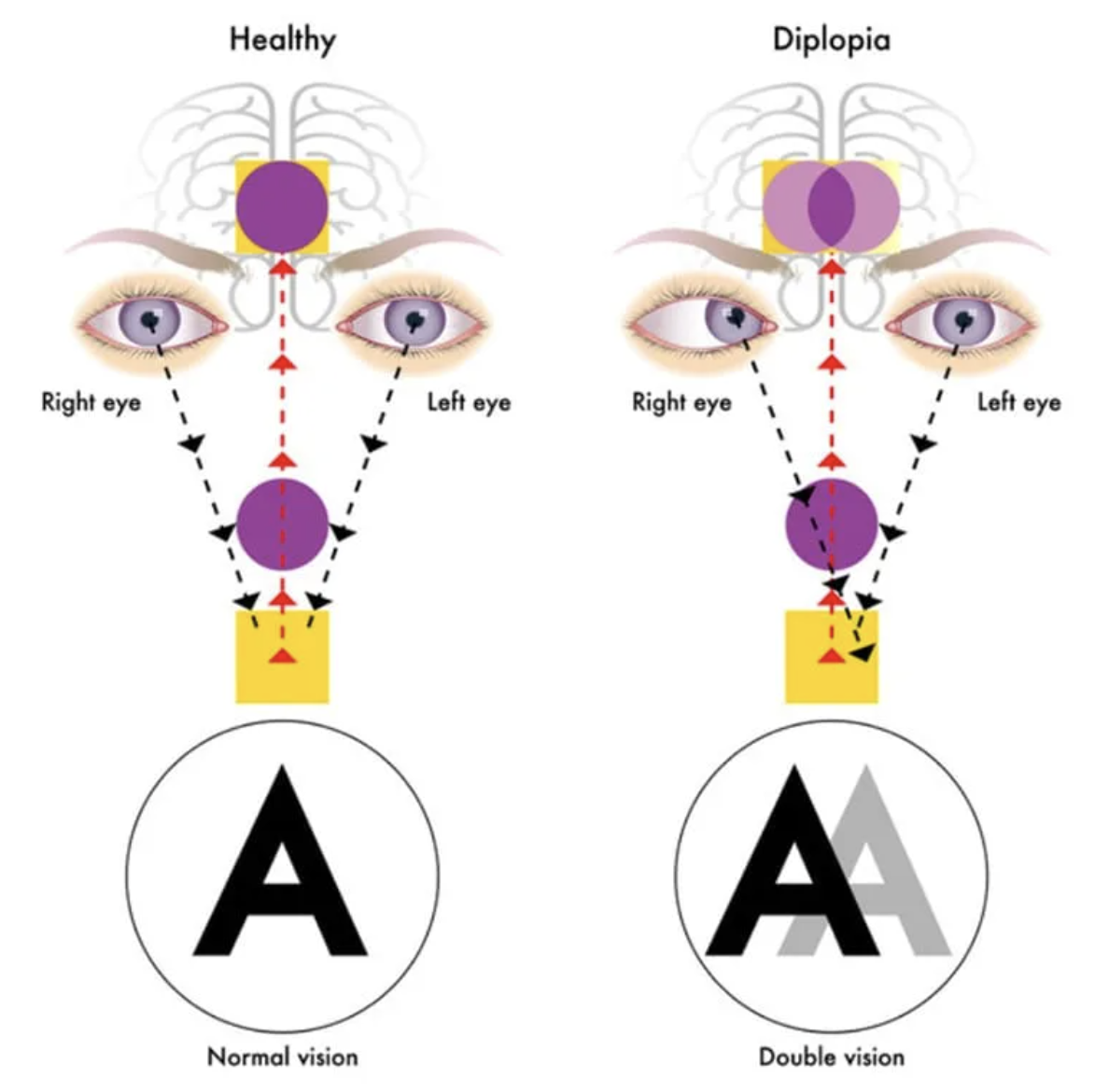
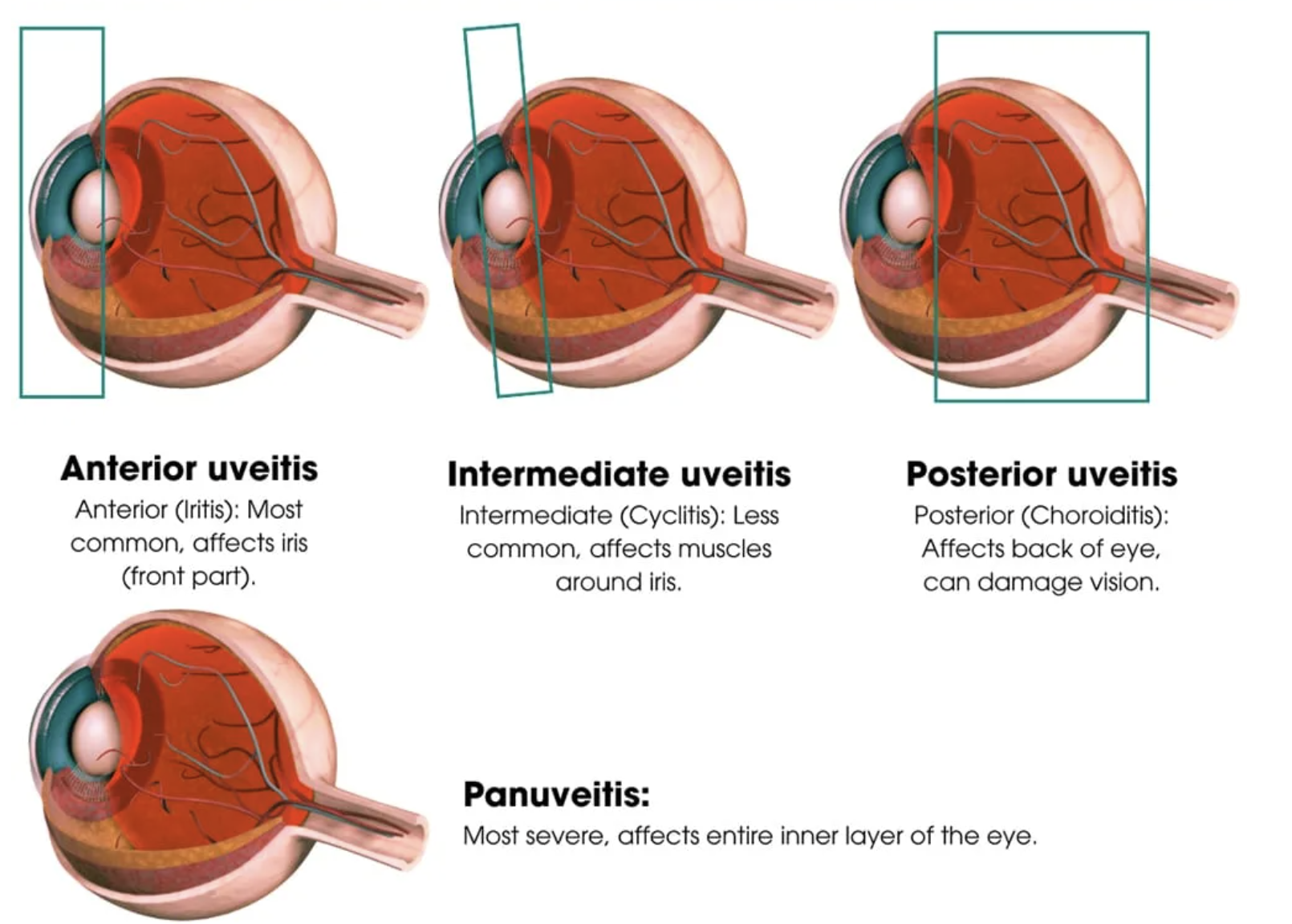
Patients may come with double vision, red eye, eye allergy, inflammation, lazy eye concerns, blurry vision, light sensitivity, eye pain, floaters, flashes, or changes in vision. Each symptom is reviewed in context with age, medical history, medications, and examination findings.
When should you see an ophthalmologist?
An ophthalmology visit is helpful when symptoms are new, persistent, recurring, affecting daily activities, or not improving with simple care. It is also important when symptoms happen after eye surgery, eye injury, contact lens use, diabetes, autoimmune disease, or previous eye disease.
What happens during the visit?
The visit may include vision testing, eye pressure measurement, slit-lamp examination, eyelid assessment, retina examination, and imaging when needed. The goal is to explain the likely cause and create a practical plan for treatment, follow-up, or referral.
When is it urgent?
Sudden vision loss, new double vision, severe eye pain, eye injury, flashes with new floaters, a curtain-like shadow, painful red eye, or sudden light sensitivity should be checked promptly. These symptoms may need faster assessment.
When common eye symptoms should be checked by an ophthalmologist
- Double vision, blurry vision, or sudden change in vision
- Redness, allergy, inflammation, or irritation
- Floaters, flashes, light sensitivity, or eye pain
- Lazy eye concerns or long-standing visual difference between the eyes
Visit notes
- Bring current glasses, contact lens information, medication list, and previous eye reports
- Mention when symptoms started, whether one or both eyes are affected, and what makes symptoms better or worse
- Some symptoms overlap with allergy, infection, inflammation, retinal disease, or neurological causes
- Urgent warning signs should be mentioned clearly when booking the visit
Common patient questions about eye symptoms and conditions
What can cause double vision?
Double vision can come from eye alignment problems, muscle or nerve issues, cataract or corneal problems, trauma, diabetes-related nerve changes, or neurological causes. New double vision should be assessed carefully.
Is red eye always an infection?
No. Red eye can be caused by dry eye, allergy, inflammation, contact lens irritation, infection, injury, or high eye pressure. Pain, light sensitivity, vision change, or contact lens use makes assessment more important.
Are floaters and flashes dangerous?
Floaters can be common, but new floaters with flashes, a shadow, or reduced vision can be a warning sign of retinal tear or detachment and should be checked promptly.
Can lazy eye be treated in adults?
Lazy eye treatment is most effective in childhood, but adults can still benefit from an ophthalmology assessment to confirm the cause of reduced vision and check for treatable eye conditions.