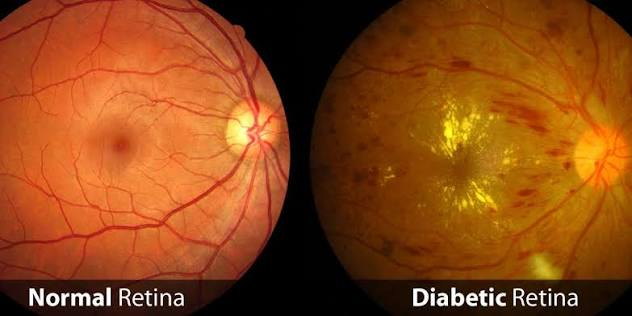
Diabetes can affect the small blood vessels inside the eye before vision changes are noticed. A diabetic eye exam is a focused assessment of the retina and optic nerve so early changes can be found, monitored, and treated when needed.
What Is a Diabetic Eye Exam?
A diabetic eye exam is a detailed eye examination for people with diabetes. It may include vision testing, eye pressure measurement, pupil dilation, retinal examination, and imaging when needed. The goal is to check the back of the eye carefully, especially the retina, where diabetic changes most often appear.
What Is Diabetic Retinopathy?
Diabetic retinopathy is damage to the retinal blood vessels caused by diabetes. It can lead to small leaks, bleeding, swelling in the macula, fragile new blood vessels, and in advanced cases serious vision loss. Early stages may have no symptoms, which is why regular screening matters.
How Does a Diabetic Eye Exam Help?
Regular diabetic eye exams help detect retinopathy before vision is affected. They also help guide the timing of follow-up, medical coordination for blood sugar and blood pressure control, and referral for retinal treatment if swelling, bleeding, or advanced changes are found.
When a diabetic eye exam may be considered
- People with type 1 or type 2 diabetes
- Patients with blurry vision, floaters, or changing vision
- Patients with long-standing diabetes or high blood sugar history
- Pregnant patients with diabetes or people planning pregnancy
Visit notes
- Bring diabetes history, medication list, recent HbA1c if available, and previous eye reports
- Pupil dilation may temporarily blur vision and increase light sensitivity
- Retinal photos or OCT imaging may be recommended depending on findings
- Follow-up timing depends on whether diabetic changes are present and how severe they are
Common patient questions about diabetic eye exams
How often should someone with diabetes have an eye exam?
Many patients with diabetes need at least one eye exam each year, but the interval can be shorter if diabetic retinopathy, macular swelling, pregnancy, or other risk factors are present. The exact plan should be based on examination findings.
Can diabetic retinopathy happen without symptoms?
Yes. Early diabetic retinopathy may not cause pain, redness, or noticeable vision changes. Screening is important because treatment and closer follow-up are more effective when problems are found early.
What symptoms need urgent attention?
Sudden vision loss, new floaters, dark shadows, distortion, or a sudden increase in blurry vision should be checked promptly, especially in a patient with diabetes.